Outdoor networks face conditions that indoor IT equipment rarely encounters. Rain, dust, humidity, temperature fluctuations, sunlight and accidental impact can all affect networking hardware and reduce its operational life. Businesses deploying connectivity across construction sites, transport facilities, agricultural locations, industrial premises and remote infrastructure therefore need more than a standard router. Proper equipment protection is essential for dependable communication, stable data transfer and lower maintenance requirements. Weatherproof router enclosures provide a practical way to protect network devices while keeping outdoor connectivity reliable.
Choosing the right Outdoor router enclosure from Gttwireless.com can help businesses protect routers, antennas, power components and associated networking equipment against challenging environmental conditions. A suitable enclosure creates a controlled protective space without preventing the wireless equipment from performing effectively. For outdoor deployments, this combination of environmental protection, ventilation, accessibility and connectivity is central to achieving dependable network performance throughout the year.
Why Outdoor Networks Need Protection
Outdoor networking equipment is exposed to far more than rain. Direct sunlight can increase internal temperatures, while cold weather can affect electronic components and batteries. Moisture may enter through poorly sealed openings, and airborne dust can accumulate around connectors and ventilation points. In industrial environments, vibration, debris and accidental contact can create additional risks.
Weatherproof enclosures provide a physical barrier between sensitive electronics and these external hazards. Their construction can help reduce exposure to water, dust and physical damage, particularly where equipment must remain operational for long periods without constant supervision.
Protection Against Weather Conditions
A quality enclosure should provide suitable protection against the conditions expected at the installation site. Important considerations include sealing, material strength, UV resistance and resistance to corrosion. The enclosure rating should also match the environment rather than simply being selected because it is described as weatherproof.
For example, equipment installed near coastal areas may require stronger corrosion resistance, while agricultural or construction environments may demand better protection against dust and physical impact. Assessing local conditions before purchasing can prevent costly equipment failures later.
Supporting Reliable Wireless Connectivity
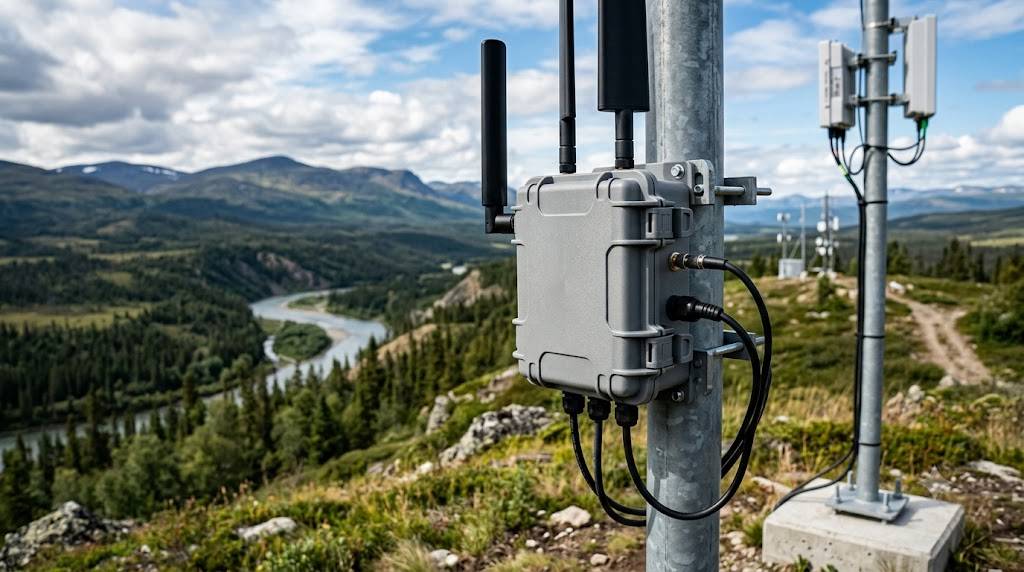
Protection should never come at the expense of wireless performance. The enclosure must accommodate antennas and cables correctly while avoiding unnecessary interference with signal transmission. Antenna placement is particularly important for installations where routers must provide coverage across large outdoor areas.
An omnidirectional antenna can provide useful coverage around an installation point, making it suitable for many applications where connected devices are positioned in multiple directions. Businesses can explore suitable equipment and enclosure options through Gttwireless.com, particularly when planning outdoor wireless infrastructure that requires dependable protection alongside effective radio performance.
Key Features to Consider
Selecting an enclosure involves more than checking dimensions. Businesses should consider how the complete networking installation will operate in its actual environment.
Key features worth assessing include:
- Weather resistance: Protection against rain, moisture, and environmental exposure is essential for outdoor deployments.
- Dust protection: Sealed construction can help prevent airborne particles from reaching sensitive components.
- Thermal management: Ventilation, heat dissipation, and suitable internal spacing can help control operating temperatures.
- Material quality: UV-resistant and corrosion-resistant materials can support longer service life.
- Cable management: Proper entry points reduce strain and help maintain effective sealing around cables.
- Equipment compatibility: The enclosure should accommodate the router, power supply, connectors, and other required components.
- Antenna support: Suitable mounting arrangements can help maintain effective wireless signal performance.
- Maintenance access: Engineers should be able to inspect or replace equipment without unnecessary disruption.
- Physical security: Lockable or secure designs can reduce the risk of unauthorised access or tampering.
Thermal Management Matters
Temperature control is one of the most important considerations in outdoor network installations. Electronic equipment produces heat during normal operation, and an enclosure exposed to direct sunlight can become considerably warmer than the surrounding air. Excessive heat may contribute to reduced performance, component ageing and unexpected shutdowns.
A suitable enclosure should therefore provide an appropriate approach to heat management. Depending on the equipment and location, this may involve passive ventilation, heat dissipation features or other environmental controls. At the same time, ventilation must not create an easy route for rain or dust to enter.
Planning for Installation and Maintenance
Installation quality has a direct effect on enclosure performance. Cable glands, connectors and mounting points should be correctly fitted and sealed. Equipment should be positioned to allow adequate airflow and avoid unnecessary contact with condensation or standing moisture.
Routine inspection is also valuable. Engineers can check seals, cable entries, mounting hardware, and antenna connections for signs of deterioration. Early identification of damaged components can prevent a small environmental issue from becoming a wider network outage.
Applications for Outdoor Router Enclosures
Weatherproof enclosures are useful across many industries. Construction companies can deploy outdoor routers around temporary sites, while logistics operators may require connectivity across yards, warehouses and loading areas. Agricultural businesses can use wireless networks to connect monitoring equipment across large properties.
Other applications include transport infrastructure, security systems, utilities, industrial facilities, events and remote communications. In each case, the enclosure helps create a protected operating environment for outdoor routers while supporting the connectivity required by the site.
Making the Right Choice
The best enclosure depends on the equipment, location, and expected environmental conditions. Start by identifying the router dimensions, power requirements, antenna configuration, and cable connections. Then assess exposure to rain, sunlight, dust, temperature changes and potential physical impact.
It is equally important to consider future requirements. A slightly more spacious enclosure may provide room for additional networking components, improved cable management, or future equipment upgrades. However, excessive internal space can also affect thermal performance, so the enclosure should remain appropriate for the actual installation.
Reliable Protection for Outdoor Connectivity
Weatherproof router enclosures play an important role in keeping outdoor networking equipment protected, accessible, and operational. The right solution should address moisture, dust, heat, UV exposure, physical security, cable management and antenna performance rather than focusing on one feature alone. Careful product selection and correct installation can reduce equipment failures and maintenance demands. Whether supporting a temporary worksite or permanent infrastructure, well-protected outdoor routers provide a stronger foundation for dependable connectivity. Evaluating environmental conditions, equipment requirements and future expansion helps businesses create reliable networks that perform consistently in challenging locations.