A compact courtyard can support dining, planting, relaxation and entertaining when every section has a clear purpose. Thoughtful zoning makes limited space feel organised rather than crowded. With practical furniture, layered planting, suitable shelter and flexible lighting, even a small garden can become a comfortable outdoor room throughout the changing British seasons.
A small courtyard does not need a large footprint to feel useful. Careful planning can turn awkward corners, blank walls and narrow pathways into attractive zones for dining, relaxing and growing plants. The key is to give each area a purpose without filling every available centimetre. Flexible furniture, vertical planting and weather protection can make the garden comfortable across several seasons. Properly positioned garden awnings can shelter a central seating area while preserving valuable floor space. By balancing function, movement and visual harmony, homeowners can create a courtyard that feels spacious, welcoming and connected to the rest of the property.
Begin With How You Want to Use the Space
Before buying furniture or planters, decide what the courtyard needs to support. Your priorities may include outdoor dining, quiet reading, container gardening or evening socialising.
Measure the entire area, including doors, windows, steps and drainage points. Mark the route people naturally take between the house and garden. This pathway should remain clear once furniture is in place.
Study sunlight, shade and prevailing wind at different times. A sunny wall may suit seating or herbs, while a cooler corner may work better for storage or shade-tolerant plants. Planning around existing conditions reduces the need for costly changes.
Create Zones Without Building Barriers
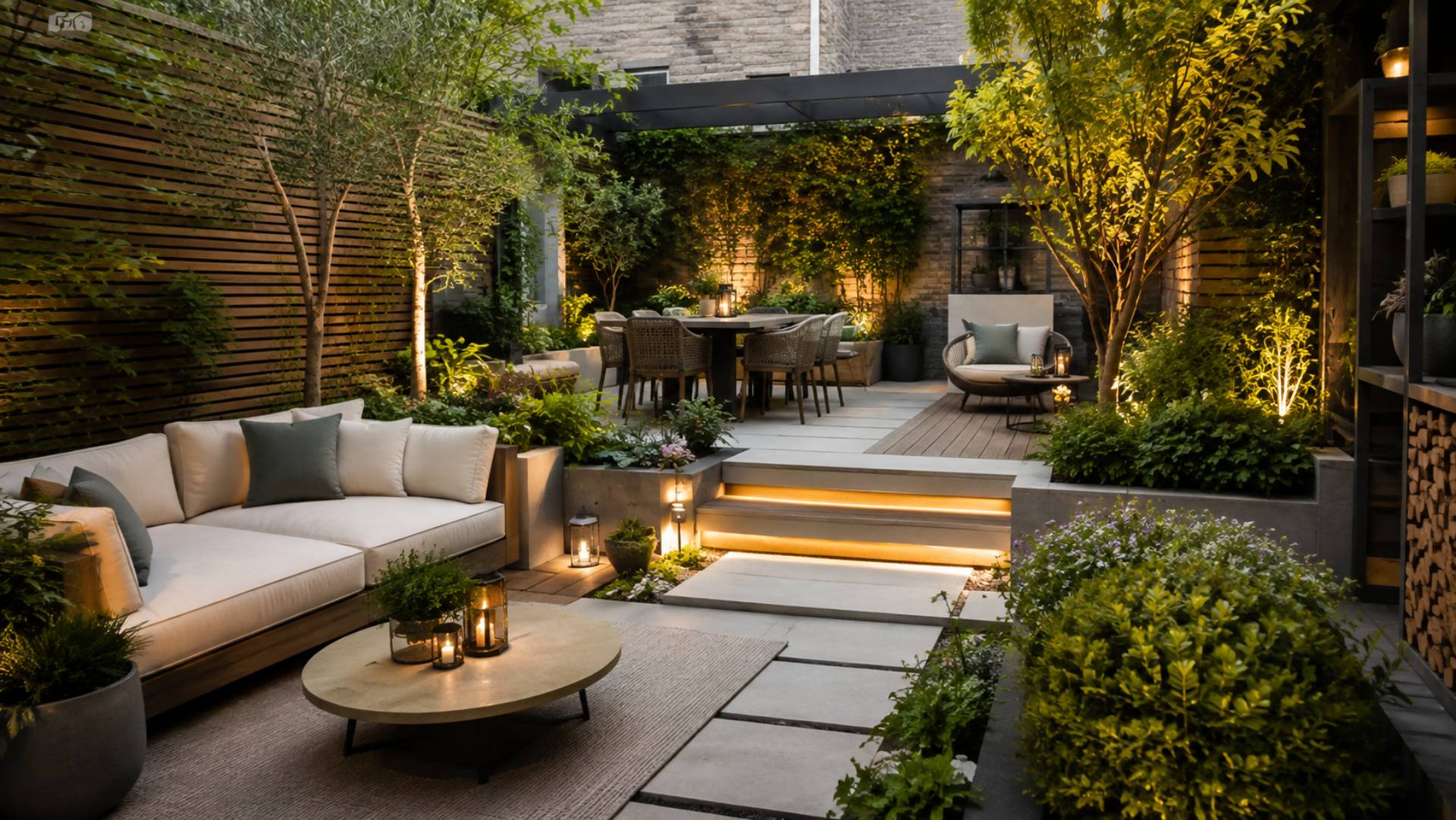
Solid partitions can make a small courtyard feel cramped. Define zones through changes in colour, texture and furniture placement instead.
An outdoor rug can mark a seating area. A narrow row of paving can guide movement, while grouped containers can frame a dining space. Low planters create separation without blocking views.
Keep the design visually connected by repeating two or three materials throughout the garden. Matching planter finishes, seat cushions or timber details help separate zones feel like parts of one organised scheme.
Protect the Main Activity Zone
British weather can quickly interrupt plans for outdoor dining or relaxation. Shelter makes the most frequently used zone more dependable through changing conditions.
Retractable garden awnings can provide shade during strong sunshine and cover during suitable rain conditions. Because the canopy retracts, homeowners can restore sunlight when shelter is not needed. Made-to-measure designs can suit compact patios where standard products may feel oversized.
Optional lighting and infrared heating can extend use into cooler evenings. Motorised controls make adjustment simple, while weather sensors can retract compatible systems when conditions become unsuitable. A professional survey helps establish appropriate dimensions, fixing points and projection.
Choose Furniture That Earns Its Place
Large furniture can dominate a courtyard. Select compact pieces that support more than one purpose. A bench with storage can provide seating while hiding cushions, tools or outdoor accessories.
Folding chairs and extendable tables offer flexibility when visitor numbers change. Nesting side tables can be separated when needed and stored together afterwards. Wall-mounted tables are useful where permanent furniture would interrupt movement.
Allow enough clearance around every piece. A slightly smaller table with comfortable access will prove more useful than a larger design that makes the garden difficult to cross.
Use Walls to Increase Planting Space
Vertical planting brings colour and texture into a courtyard without taking over the floor. Wall-mounted containers, narrow trellises and tall planters can soften hard boundaries and draw the eye upwards.
Choose plants according to light levels and available maintenance time. Evergreen foliage gives structure through winter, while seasonal flowers bring changing colour. Herbs can add scent and serve a practical purpose near a dining zone.
Avoid covering every wall. Leaving some surfaces visible creates breathing space and prevents the courtyard from feeling enclosed. Plants should frame the garden rather than overwhelm it.
Plan Lighting for Comfort and Safety
Outdoor lighting should help people move safely while creating a relaxed atmosphere. Use low-level lights near steps and routes, then add warmer illumination around seating or dining areas.
Integrated awning lighting can brighten the main activity zone without requiring floor lamps. Wall lights preserve space and can highlight planting or textured surfaces. Avoid excessively bright fittings, which may make a small courtyard feel harsh and expose neighbouring properties to unwanted glare.
Select outdoor-rated products and arrange safe installation where electrical work is required.
Prepare the Courtyard for Every Season
Year-round use depends on easy seasonal adjustment. Keep washable blankets and cushions in dry storage, clean paving before it becomes slippery and remove fallen leaves from drainage points.
Retract an awning during severe wind, prolonged heavy rain or snow unless the manufacturer confirms that the system is designed for those conditions. Clean its fabric gently with warm water and mild detergent, avoiding harsh chemicals.
During warmer months, use shade to manage heat and protect furniture from strong sunlight. In winter, prioritise shelter, warm lighting and clear pathways.
Frequently Asked Questions
Can a very small courtyard have several zones?
Yes. Two or three clearly defined zones are usually enough. Use furniture placement, planters and flooring details instead of solid dividers.
Where should the main seating area go?
Place it where the courtyard offers suitable light, privacy and convenient access from the house. Consider wind exposure before making the final decision.
Will an awning make a courtyard feel smaller?
A correctly proportioned retractable awning should not dominate the space. Light fabrics and neat frames can maintain an open appearance.
Which plants work best in a courtyard?
The right plants depend on sunlight, shelter and maintenance needs. A mix of evergreen structure, seasonal colour and compact climbers often works well.
How can I avoid overcrowding the garden?
Limit the colour palette, choose slim furniture and leave clear routes. Every item should have a practical or visual purpose.
Closing Remarks
A successful courtyard is not defined by its size. It works because each section has a clear role and every feature supports comfortable movement. Begin with accurate measurements, natural walking routes and the way sunlight reaches the garden. Use subtle changes in flooring, furniture and planting to create zones without closing off the space.
Compact furniture, vertical planting and carefully planned lighting can make the courtyard useful from morning to evening. Seasonal maintenance keeps surfaces safe, plants healthy and equipment ready for use. Weather protection deserves particular attention because it determines how often the main seating or dining zone remains comfortable.
Avoid filling every corner. A little open space will make the entire courtyard feel calmer and larger. With a measured layout and professionally fitted garden awnings, a compact outdoor area can provide shade, shelter and practical living space throughout much of the year.