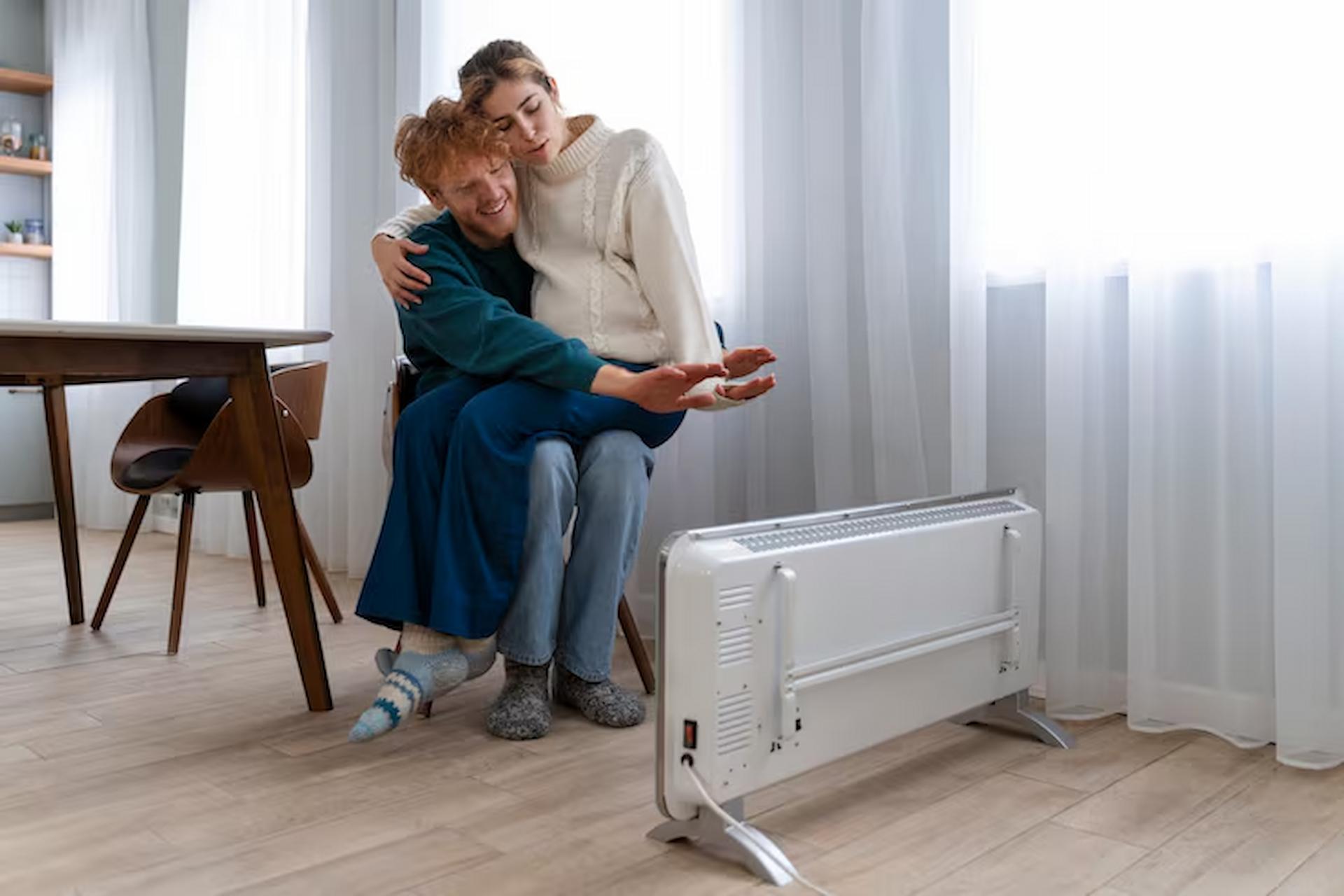
A warm home is not just about having a powerful heating system—it is about using it intelligently. Many households struggle with uneven temperatures, cold spots, or rising energy bills without realizing that radiator placement plays a major role. Even the best heating system can underperform if radiators are positioned poorly.
The good news is that you do not need a full system upgrade to improve efficiency. By understanding how heat moves and where radiators should be placed, you can create a more comfortable home while reducing wasted energy.
Why Radiator Placement Matters More Than You Think
Radiators work by heating the air around them. Warm air rises while cooler air sinks, creating a circulation pattern that distributes heat throughout the room. Well-designed systems, including those using Stelrad Radiators, are built to support efficient heat flow, but placement still plays a critical role. If this flow is blocked or poorly directed, heat becomes trapped or unevenly spread.
Improper placement can lead to cold corners, overheated areas, and increased strain on your heating system. Over time, this not only affects comfort but also drives up energy consumption. Strategic positioning ensures that heat moves freely and reaches every part of the space.
General Rules for Positioning Radiators
Before focusing on individual rooms, it is important to understand a few universal principles that apply across your home.
Radiators are traditionally placed under windows for a reason. Cold air entering through the glass is immediately warmed, preventing drafts and maintaining a consistent temperature. This placement also supports natural air circulation.
It is equally important to avoid blocking radiators. Furniture, curtains, and decorative covers can trap heat, preventing it from spreading into the room. Leaving enough space around the unit allows heat to circulate effectively.
Finally, placement should balance function and layout. While aesthetics matter, prioritizing airflow will always deliver better heating performance.
Best Radiator Positions for Living Rooms
Living rooms are often the largest and most frequently used spaces in a home, which makes proper heating essential.
Under Windows vs Interior Walls
Placing radiators under windows remains one of the most effective strategies. It counters incoming cold air and creates a steady flow of warm air across the room. However, in modern homes with well-insulated windows, interior wall placement can also work if airflow is not restricted.
Avoiding Heat Obstruction
Large sofas, cabinets, and media units often block radiators in living rooms. This prevents heat from spreading evenly and can create noticeable cold spots. Keeping a clear path for airflow ensures that warmth reaches all areas of the space.
When choosing reliable heating solutions, many homeowners opt for Stelrad Radiators because of their consistent performance and ability to integrate seamlessly into different room layouts.
Ideal Radiator Placement in Bedrooms
Bedrooms require a slightly different approach, as comfort and temperature control are more sensitive in sleeping spaces.
Comfort vs Efficiency Balance
Radiators should be positioned near colder parts of the room, such as external walls or windows, but not directly next to the bed. This prevents overheating while still maintaining a comfortable ambient temperature.
Small Room Optimization
In smaller bedrooms, space is often limited. Wall-mounted radiators or compact designs can help maximize floor space without sacrificing performance. Choosing efficient models, including options like Stelrad Radiators, can make a noticeable difference in maintaining consistent warmth in tighter areas.
Kitchen Radiator Placement Tips
Kitchens present unique challenges because they already generate heat from appliances like ovens and stovetops.
Radiators should not be placed near these heat sources, as this can confuse thermostatic controls and reduce efficiency. Instead, position them on cooler walls where they can balance the room’s temperature.
Another important factor is layout. Cabinets and appliances often limit available wall space, so careful planning is essential to ensure airflow is not restricted.
Bathroom Radiator Positioning for Warmth and Functionality
Bathrooms benefit from both warmth and practicality, especially during colder months.
Towel Radiators vs Standard Radiators
Towel radiators are a popular choice because they serve a dual purpose. They keep the room warm while also drying towels. Placement should allow easy access while ensuring even heat distribution across the space.
Moisture and Safety Factors
Bathrooms have higher humidity levels, so radiators should be installed in positions that comply with safety guidelines. Keeping them away from direct water exposure while maintaining airflow is essential for both efficiency and durability.
Hallways and Entryways: Often Overlooked Heating Zones
Hallways and entryways are frequently ignored when planning heating, yet they play a crucial role in overall temperature balance.
A well-placed radiator in these areas helps prevent cold air from spreading into other rooms. Positioning near doors or external walls can create a barrier against drafts, improving the efficiency of the entire home.
Because these spaces are transitional, compact radiators that do not obstruct movement are often the best choice.
Common Radiator Placement Mistakes to Avoid
Even with good intentions, many homeowners make simple mistakes that reduce heating efficiency.
Blocking radiators with furniture is one of the most common issues. This traps heat and prevents proper circulation. Installing radiators too high or too low can also disrupt airflow patterns, leading to uneven temperatures.
Another mistake is ignoring room layout. Each space has unique characteristics, and a one-size-fits-all approach rarely works. Taking the time to assess airflow, insulation, and usage patterns will always lead to better results.
Conclusion
Radiator placement is one of the most overlooked aspects of home heating, yet it has a direct impact on comfort and energy efficiency. By positioning radiators strategically, you can improve heat distribution, eliminate cold spots, and reduce energy waste without upgrading your entire system.
From living rooms to hallways, each space requires a thoughtful approach that considers airflow, layout, and usage. Investing in efficient heating solutions like Stelrad Radiators further enhances these benefits, ensuring consistent performance throughout your home.
Ultimately, small adjustments in placement can deliver significant improvements. Taking the time to evaluate and optimize your radiator positions is a simple yet effective way to create a warmer, more efficient living environment.