As energy costs continue to rise and sustainability becomes a central concern across the UK, the way we heat both residential and commercial spaces is under increasing scrutiny. Traditional central heating systems remain common, but they are not always the most efficient or practical solution—particularly in environments that require consistent, localised temperature control. This is where targeted electric heating solutions have gained significant traction.
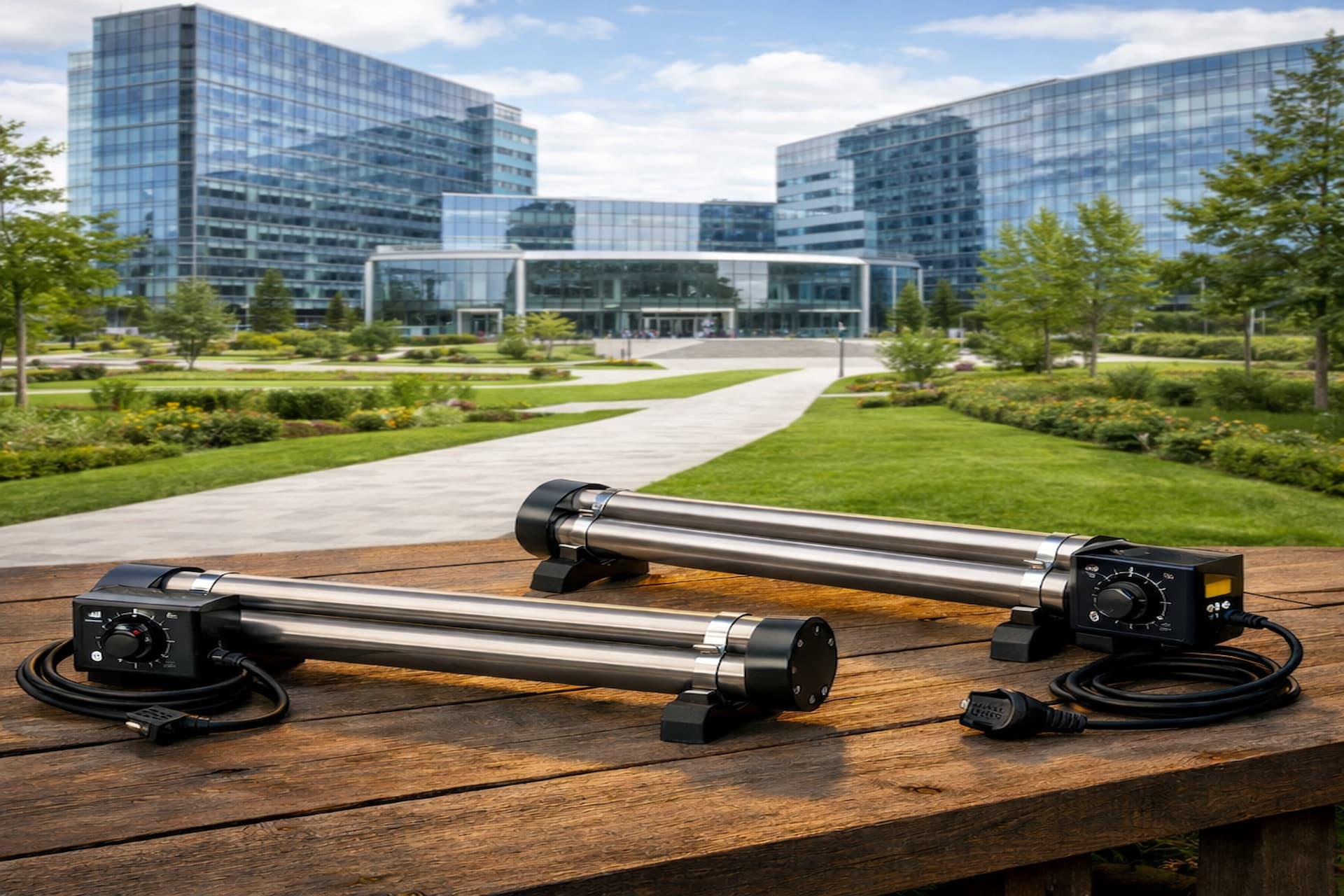
One such solution that has become widely adopted across multiple sectors is tubular heaters with thermostat. These systems are valued for their simplicity, reliability, and ability to provide controlled heat exactly where it is needed, without the inefficiencies associated with heating large, unused spaces. By automatically regulating output based on ambient temperatures, they help maintain stable conditions while reducing unnecessary energy consumption.
Why Localised Heating Matters
Localised heating focuses on warming specific areas rather than entire buildings. This approach is particularly beneficial in environments such as workshops, storage facilities, plant rooms, garages, and even domestic settings like wardrobes or utility spaces. By heating only the areas that require temperature regulation, overall energy usage can be significantly reduced.
Thermostatically controlled heaters play an important role here. They ensure temperatures remain consistent, preventing overheating while offering a reliable solution for background heat in spaces that are used intermittently or remain unoccupied for long periods.
Common Applications Across Industries
Tubular heating solutions are used across a wide range of industries. In commercial and industrial settings, they are often installed to protect pipework from freezing, prevent condensation, and safeguard sensitive equipment. In retail and hospitality environments, they are commonly used in display units, storerooms, and service areas where discreet, space-saving heating is essential.
Domestic applications are also increasing, particularly in homes with conservatories, garden offices, sheds, and other spaces that are not connected to traditional central heating systems.
Energy Efficiency and Compliance
Energy efficiency is now a priority for both businesses and homeowners. Heating systems that incorporate thermostatic control are inherently more efficient, as they only operate when required. This helps reduce running costs while supporting compliance with modern building standards and sustainability goals.
Maintaining consistent background heat can also help prevent damp and mould, which are increasingly recognised as health and safety concerns in poorly heated environments.
A Practical Heating Solution for Modern Needs
With their durable construction, low maintenance requirements, and adaptable design, tubular heaters continue to be a practical solution for modern heating challenges. Whether used as a standalone heat source or to complement existing systems, they offer a reliable balance of efficiency, control, and longevity.
As buildings continue to evolve to meet energy and environmental demands, localised electric heating solutions are likely to play an increasingly important role in both residential and commercial settings.