Transportation is changing faster than ever. Businesses, governments, and consumers are all looking for smarter ways to move people and goods while reducing environmental impact. Rising fuel costs, stricter regulations, and growing awareness of climate change have encouraged companies to rethink how vehicles are designed, powered, managed, and maintained.
Today, sustainable transport is no longer limited to electric vehicles. Businesses are embracing new technologies, data-driven decision-making, cleaner energy sources, and innovative operating models that improve efficiency while lowering emissions. These changes benefit the environment, reduce operating costs, and create stronger long-term business opportunities.
In this guide, we’ll explore the most innovative business approaches transforming sustainable transportation and vehicle efficiency, why they matter, and what organizations can learn from these emerging trends.
Why Sustainable Transport Matters More Than Ever
Transportation contributes significantly to global greenhouse gas emissions. At the same time, businesses rely on efficient logistics and mobility to stay competitive. Improving transport efficiency addresses both environmental and financial challenges.
Companies investing in sustainable transportation often experience:
- Lower fuel and operating costs
- Reduced maintenance expenses
- Improved fleet performance
- Stronger brand reputation
- Better regulatory compliance
- Increased customer trust
- Long-term business resilience
Rather than viewing sustainability as an added expense, many organizations now see it as a competitive advantage.
Electrification Beyond Passenger Cars
Electric passenger vehicles receive much of the attention, but businesses are expanding electrification across many transport sectors.
Modern fleets now include:
- Electric delivery vans
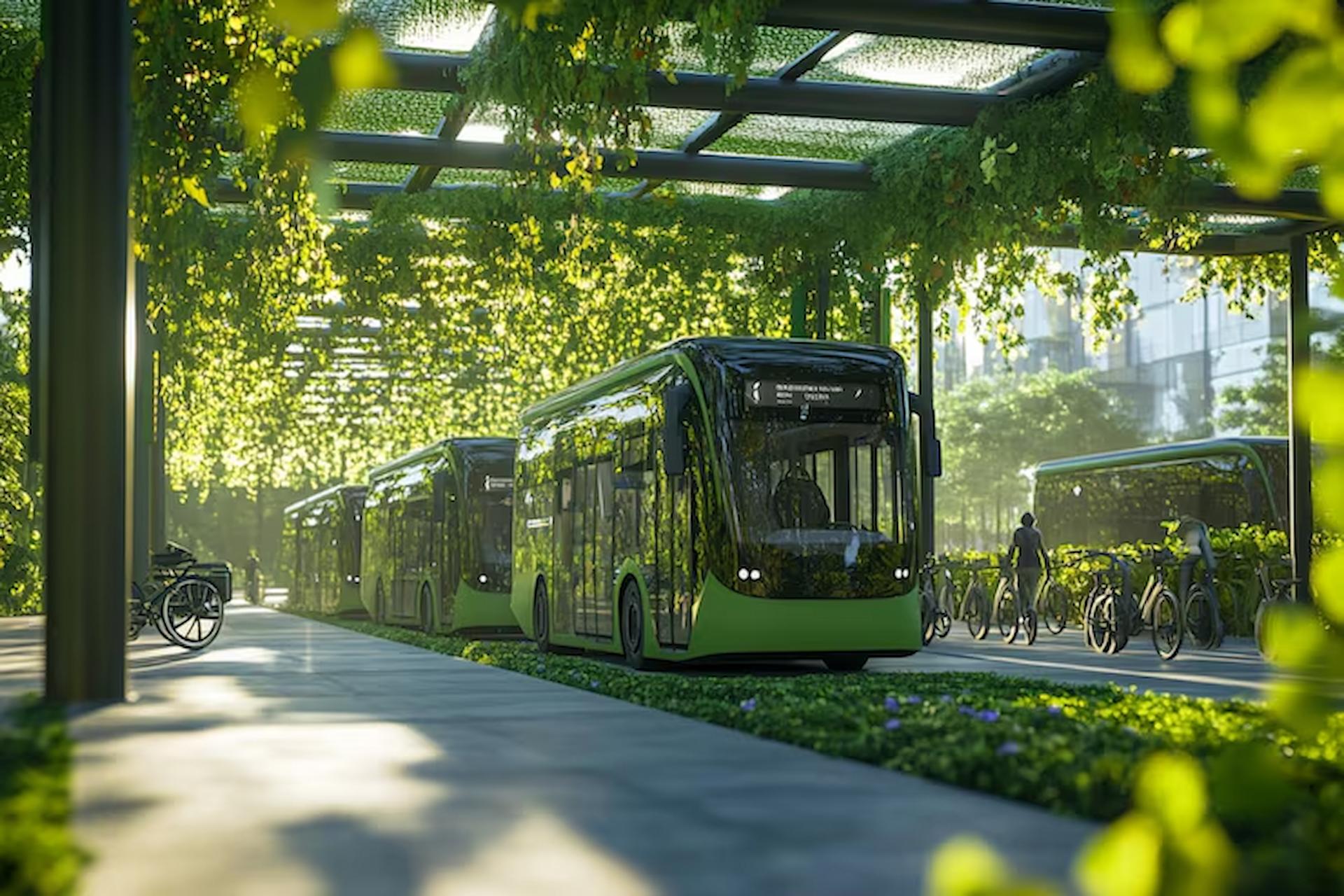
- Electric buses
- Electric trucks
- Warehouse vehicles
- Construction equipment
- Last-mile delivery scooters
- Cargo bicycles for urban deliveries
Businesses are carefully matching vehicle types to specific routes, ensuring maximum efficiency while minimizing charging downtime.
Fleet electrification also allows organizations to reduce fuel dependence and better predict operating costs over time.
Smart Fleet Management Through Data
One of the biggest changes in transportation isn’t the vehicle itself—it’s the data behind it.
Modern fleet management systems collect real-time information including:
- Fuel consumption
- Driver behavior
- Route performance
- Engine health
- Tire pressure
- Idle time
- Vehicle utilization
This information helps businesses make informed decisions instead of relying on guesswork.
Benefits include:
- Reduced fuel waste
- Faster maintenance scheduling
- Improved driver safety
- Better route planning
- Lower repair costs
- Longer vehicle lifespan
Small efficiency improvements across hundreds of vehicles can generate substantial annual savings.
AI-Powered Route Optimization
Artificial intelligence has transformed route planning.
Instead of simply choosing the shortest route, AI considers multiple variables simultaneously:
- Traffic conditions
- Weather forecasts
- Delivery priorities
- Road closures
- Vehicle capacity
- Driver schedules
- Charging station availability
The result is faster deliveries with fewer miles driven and lower fuel consumption.
Businesses also improve customer satisfaction through more accurate delivery estimates.
Preventive and Predictive Vehicle Maintenance
Unexpected vehicle breakdowns are expensive.
Innovative companies now rely on predictive maintenance rather than waiting for failures to occur.
Sensors continuously monitor:
- Battery performance
- Engine condition
- Brake wear
- Oil quality
- Tire health
- Cooling systems
Software identifies early warning signs before major problems develop.
This approach helps organizations:
- Prevent costly repairs
- Reduce downtime
- Extend vehicle life
- Improve fleet reliability
- Increase driver safety
Maintenance becomes proactive instead of reactive.
Shared Mobility Business Models
Many businesses are reducing the need for vehicle ownership altogether.
Shared mobility includes:
- Car sharing
- Ride sharing
- Vehicle subscriptions
- Corporate mobility programs
- Shared delivery fleets
Instead of every business maintaining large vehicle fleets, organizations increasingly share transportation resources based on demand.
This reduces:
- Idle vehicles
- Parking requirements
- Fleet costs
- Resource waste
At the same time, vehicle utilization improves significantly.
Alternative Fuels Expanding Transportation Options
Electric vehicles are important, but they aren’t the only solution.
Many businesses are also investing in alternative fuels such as:
- Hydrogen
- Renewable diesel
- Biodiesel
- Compressed natural gas (CNG)
- Sustainable aviation fuel
- Biofuels
Different industries require different energy solutions.
Long-distance freight, aviation, marine shipping, and heavy construction often benefit from fuel alternatives where battery technology still faces limitations.
Diversifying energy sources improves resilience while reducing emissions.
Lightweight Vehicle Design
Every kilogram removed from a vehicle improves efficiency.
Manufacturers now use advanced materials including:
- Aluminum
- High-strength steel
- Carbon fiber composites
- Recycled materials
- Lightweight plastics
Lighter vehicles consume less energy whether powered by electricity or traditional fuels.
Businesses also benefit from increased payload capacity without exceeding weight limits.
Circular Economy in Vehicle Manufacturing
Sustainability extends far beyond driving.
Vehicle manufacturers increasingly design products with recycling and reuse in mind.
Examples include:
- Battery recycling
- Remanufactured engines
- Recycled metals
- Reused vehicle components
- Refurbished electric batteries
- Sustainable manufacturing materials
This circular approach reduces waste while lowering demand for raw materials.
Businesses also gain more value throughout a vehicle’s entire lifecycle.
Sustainable Supply Chain Transportation
Transportation efficiency begins before products reach customers.
Forward-thinking businesses optimize supply chains by:
- Consolidating shipments
- Reducing empty return trips
- Using local suppliers
- Improving warehouse locations
- Combining transportation modes
- Reducing unnecessary inventory movement
Better logistics reduce emissions while improving delivery performance.
Supply chain optimization often delivers some of the fastest sustainability gains.
Digital Twins Improving Vehicle Performance
Digital twins are virtual models that simulate real vehicles and transport systems.
Businesses use them to:
- Test new vehicle designs
- Analyze fuel efficiency
- Predict maintenance needs
- Optimize fleet operations
- Improve manufacturing processes
Instead of experimenting with physical vehicles, companies can test thousands of scenarios digitally.
This accelerates innovation while reducing development costs.
Connected Vehicles and Smart Infrastructure
Vehicles increasingly communicate with infrastructure and each other.
Connected transportation enables:
- Real-time traffic updates
- Smart traffic signals
- Collision warnings
- Automated parking
- Efficient freight coordination
- Faster emergency response
Businesses benefit from smoother operations and reduced delays.
Connected systems also improve road safety while lowering unnecessary fuel consumption.
Greener Last-Mile Delivery Solutions
Last-mile delivery remains one of the most expensive and environmentally challenging parts of logistics.
Innovative businesses now use:
- Electric cargo bikes
- Micro-fulfillment centers
- Delivery lockers
- Local distribution hubs
- Walking couriers in city centers
- Autonomous delivery robots in selected areas
These approaches reduce congestion while improving delivery speed.
Urban logistics continues to evolve rapidly as cities prioritize cleaner transportation.
Employee Mobility Programs
Many organizations recognize that sustainability extends beyond company-owned vehicles.
Employee transportation initiatives include:
- Public transit incentives
- Remote work options
- Carpool programs
- Cycling support
- Electric vehicle charging at workplaces
- Flexible work schedules
These initiatives reduce commuting emissions while supporting employee well-being.
Renewable Energy Supporting Transport
Electric transportation becomes even cleaner when powered by renewable energy.
Businesses increasingly install:
- Solar charging stations
- Wind-powered facilities
- Battery storage systems
- Smart energy management platforms
Charging vehicles with renewable electricity significantly reduces their environmental footprint.
Many companies combine renewable energy generation with fleet electrification for maximum impact.
Sustainability Metrics Driving Better Decisions
Successful businesses measure their progress rather than relying on assumptions.
Common performance indicators include:
- Carbon emissions
- Fuel efficiency
- Fleet utilization
- Energy consumption
- Delivery efficiency
- Vehicle downtime
- Maintenance costs
Tracking these metrics helps organizations identify opportunities for continuous improvement.
Transparent reporting also builds trust with customers, investors, and regulators.
Collaboration Across Industries
No single organization can transform transportation alone.
Successful innovation often comes through partnerships between:
- Vehicle manufacturers
- Technology companies
- Energy providers
- Logistics businesses
- Governments
- Universities
- Infrastructure developers
Collaboration accelerates innovation by combining expertise across multiple industries.
Shared research and investment reduce development costs while bringing new solutions to market faster.
Challenges Businesses Must Address
Despite strong progress, sustainable transportation still presents several challenges.
Common obstacles include:
- High upfront investment
- Charging infrastructure limitations
- Battery supply constraints
- Technology integration
- Workforce training
- Regulatory differences
- Rapid technological change
However, many businesses overcome these challenges through phased implementation, pilot programs, and long-term planning rather than attempting immediate large-scale transformation.
Future Trends to Watch
The next decade will likely bring even greater innovation.
Emerging trends include:
- Autonomous commercial vehicles
- AI-driven traffic management
- Solid-state batteries
- Vehicle-to-grid energy systems
- Hydrogen freight transport
- Smart highways
- Advanced battery recycling
- Fully integrated mobility platforms
Businesses that stay adaptable will be better positioned to benefit from these developments as they become more practical and widely available.
Best Practices for Businesses
Organizations looking to improve transport sustainability can begin with practical, achievable steps:
- Measure current transportation performance.
- Set realistic efficiency and emissions goals.
- Invest in fleet management technology.
- Optimize routes using real-time data.
- Introduce electric or alternative-fuel vehicles where appropriate.
- Prioritize preventive maintenance.
- Train drivers in efficient driving practices.
- Review logistics and supply chain operations regularly.
- Track sustainability metrics consistently.
- Continuously evaluate new technologies that support long-term growth.
Small improvements made consistently often deliver larger results than one-time changes.
Conclusion
Sustainable transport has become a strategic priority rather than simply an environmental initiative. Businesses that embrace innovation are finding practical ways to reduce emissions, improve efficiency, lower operating costs, and build more resilient operations. From fleet electrification and AI-powered route optimization to predictive maintenance, shared mobility, and renewable energy integration, today’s solutions demonstrate that sustainability and profitability can move forward together.
The organizations leading this transformation are those willing to adapt, invest in smarter technologies, and make decisions based on data rather than tradition. As transportation continues to evolve, businesses that prioritize efficiency, collaboration, and continuous improvement will be better equipped to meet changing customer expectations, regulatory requirements, and market demands. Sustainable transport is no longer just the future—it is becoming the standard for successful, forward-thinking organizations.