
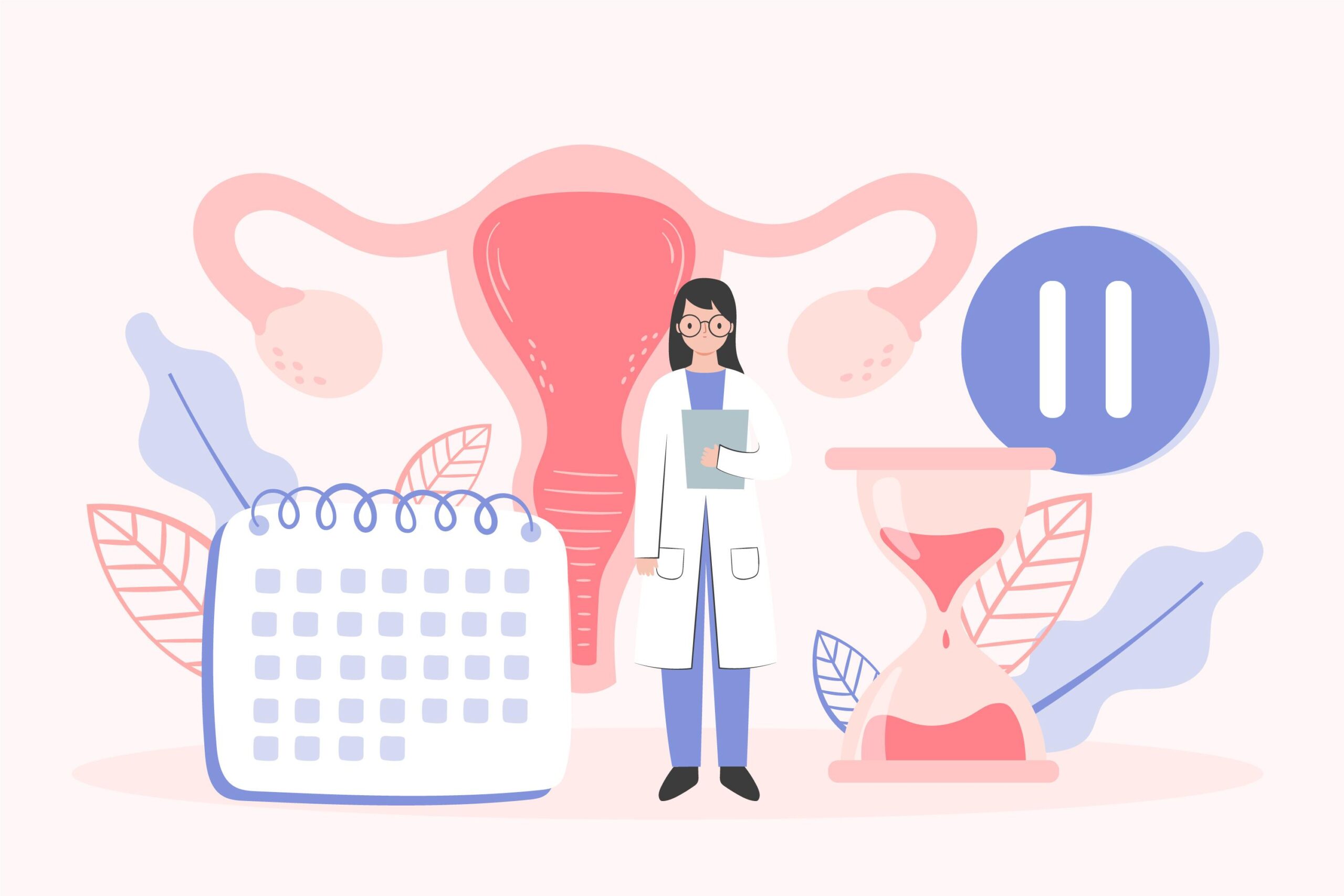
Polycystic Ovary Syndrome (PCOS) is a common endocrine disorder among women of reproductive age, primarily caused by hormonal imbalance involving insulin, androgens, and progesterone. This imbalance can affect reproductive function, metabolic health, and overall hormonal regulation. Resources such as Women health magazine have played a significant role in disseminating medically reviewed information on PCOS, contributing to better public understanding of the condition. Increasing PCOS awareness for women is essential for early identification, timely intervention, and long-term health management.
At its core, PCOS is characterized by higher-than-normal levels of androgens (male hormones) in women. This increase is often triggered by insulin resistance, where the body struggles to use insulin effectively. As insulin levels rise, the ovaries respond by producing more androgens. This disrupts ovulation, affects menstrual cycles, and causes symptoms such as acne, hair thinning, and unwanted body hair. Additionally, a deficiency in progesterone, the hormone responsible for regulating periods, can lead to infrequent or absent menstruation. These imbalances are the foundation of PCOS and are often the reason women experience a wide range of physical and emotional symptoms.
Why Hormonal Balance Matters
Hormonal balance is critical for more than just fertility. It affects metabolism, energy levels, skin health, and mental stability. In PCOS, when estrogen, progesterone, insulin, and androgens are not working in harmony, the body sends signals that something is off. This may appear as unexplained weight gain, chronic fatigue, mood swings, or even difficulty concentrating. Women often spend years trying to treat these symptoms in isolation, unaware that they are part of a larger hormonal issue. This is why education and early diagnosis are key.
Raising PCOS awareness for women is crucial to ensuring more timely diagnoses and better support. Many women endure symptoms silently, either brushing them off or being told by others that “it’s normal.” Initiatives that focus on educating women about their bodies, signs of hormonal imbalance, and available treatment options can make a significant difference. Increased awareness also fosters more open conversations both with healthcare providers and within communities reducing the shame or confusion some women feel about their symptoms.
Living With PCOS: Managing the Imbalance
Managing PCOS often involves a combination of medical guidance and lifestyle adjustments. While some women may require medication to regulate hormones or improve insulin sensitivity, others see improvements through dietary and exercise changes. A diet rich in whole foods, low in refined sugars, and high in fiber can help stabilize blood sugar levels and reduce inflammation. Regular physical activity is also beneficial, not only for weight management but for improving mood and boosting metabolism. Stress management and quality sleep are equally important, as high cortisol levels can worsen hormonal issues.
Although there is no one-size-fits-all solution, understanding your unique hormonal profile with the help of a healthcare provider can pave the way for an effective plan. Tracking cycles, monitoring symptoms, and advocating for proper testing are all proactive steps women can take to gain insight into their hormonal health.
The Role of Trusted Resources in Spreading Awareness
Access to accurate, trustworthy health information is essential for anyone navigating PCOS. Women’s Health Magazine has played an important role in bringing PCOS into the public eye. Through personal stories, expert advice, and research-based articles, these resources help break down medical jargon and empower women to take ownership of their health journeys. They also provide reassurance that PCOS is not a personal failure or flaw; it’s a medical condition that deserves attention and care.
By spotlighting topics like PCOS in mainstream media, we normalize discussions around hormonal health and reduce the stigma many women still face. These conversations inspire more women to seek answers and push for the care they deserve.
Final Thoughts
Hormonal imbalance in PCOS is more than a reproductive health issue; it’s a full-body concern that affects multiple areas of a woman’s life. From irregular periods to long-term risks like diabetes or cardiovascular disease, the impact can be wide-ranging. But with education, early intervention, and supportive care, women can take charge of their health and improve their quality of life. Building greater PCOS awareness for women, and supporting each other through open dialogue and reliable resources, is the path forward. Every woman deserves to understand her body and to feel empowered, not alone on her journey to wellness.