
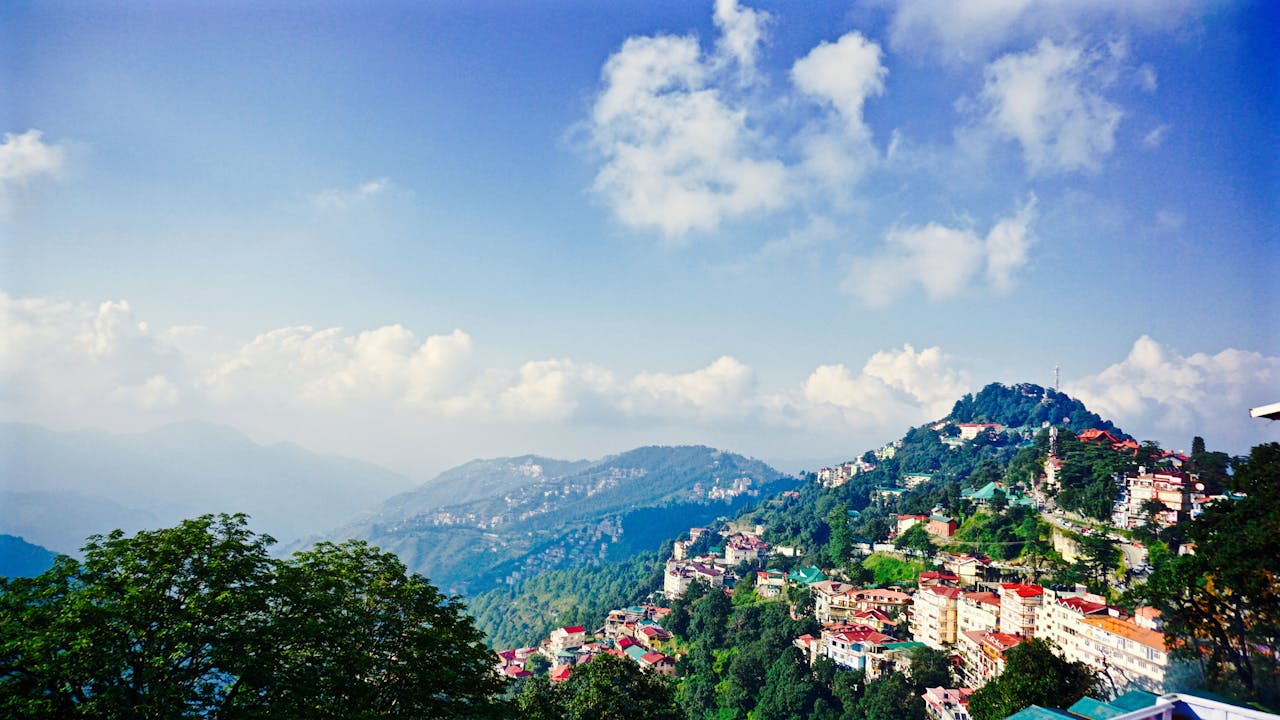
Shimla, often called the Queen of Hills, is a place where the echoes of history mingle with crisp mountain air. Beyond its breathtaking landscapes and cool climate, this hill station is steeped in colonial heritage, with cobbled paths, grand old buildings, and stories from another era. Exploring Shimla on foot allows you to slow down, appreciate the fine details, and discover the soul of the town. A heritage walk here isn’t just sightseeing—it’s a journey into the past, where every corner reveals a piece of the British Raj’s legacy. Whether you are planning a weekend getaway to Shimla or a longer holiday, these walks are the best way to feel the heartbeat of the hills.
The Ridge – Heart of Colonial Shimla
Many people think of The Ridge as the heart of Shimla and the best place to start exploring the city’s history. This area has been a meeting place for more than one hundred years because it is wide, open, and surrounded by neogothic architecture. Christ Church, with its soft-yellow front and beautiful stained-glass windows that tell Bible stories, stands tall at one end. There are also wide views of snow-covered mountains from The Ridge, which is a great contrast to the busy town below. In this place, the past is alive, but the sound of laughter and conversation makes it feel more like the colonial era.
Mall Road – A Walk Through Time
Mall Road is perhaps the most famous stretch in Shimla and an essential part of any heritage walk. Originally designed as a leisure promenade for the British elite, it still retains its old-world charm. Rows of colonial buildings with sloped roofs and wooden balconies stand alongside modern cafés, creating a seamless blend of past and present. The Indian Coffee House, with its vintage interiors, feels like stepping into a time capsule. Wandering here, you can easily imagine Victorian-era officers and their families enjoying an evening stroll. If you’re staying nearby, choosing a wooden stay in Shimla adds to the authenticity, letting you experience the hill station much like its early residents did.
Viceregal Lodge – The Crown Jewel of Shimla’s Heritage
Perched atop Observatory Hill, the Viceregal Lodge, or Rashtrapati Niwas, is a masterpiece of colonial architecture. Built in 1888, this imposing grey-stone structure was once the summer residence of the British Viceroy of India. Its grand interiors feature intricate woodwork, elaborate staircases, and rooms that witnessed some of the most important decisions in India’s political history. The walk leading up to the lodge is equally charming, lined with tall deodar trees and fresh mountain breezes. Even if you’re not a history enthusiast, the sheer beauty of this place makes it worth the journey.
Gaiety Theatre: A Step Back in Time
Gaiety Theatre is a culture landmark from the Victorian era and can be found on the busy Mall Road. It has been used for plays, concerts, and social events since it opened in 1887, attracting artists and crowds from all over the world. The carved staircases and other period details in the theater’s design remind us of how artistically rich this area was during the British era. It still hosts performances today, carrying on a practice that goes back more than one hundred years.
Jakhoo Hill: A Mix of Myth and History
The temple on Jakhoo Hill is dedicated to Lord Hanuman, and the hill also has a history of being a British colony. As you climb, you’ll see wooden slopes and old colonial houses, each with its own story. The temple at the top has beautiful views of the hills and rivers around it, making it a spiritual and scenic highlight of the town. The trail has a relaxed feel that makes it great for people who want to experience Shimla’s calmer side.
A Trip Besides Architecture
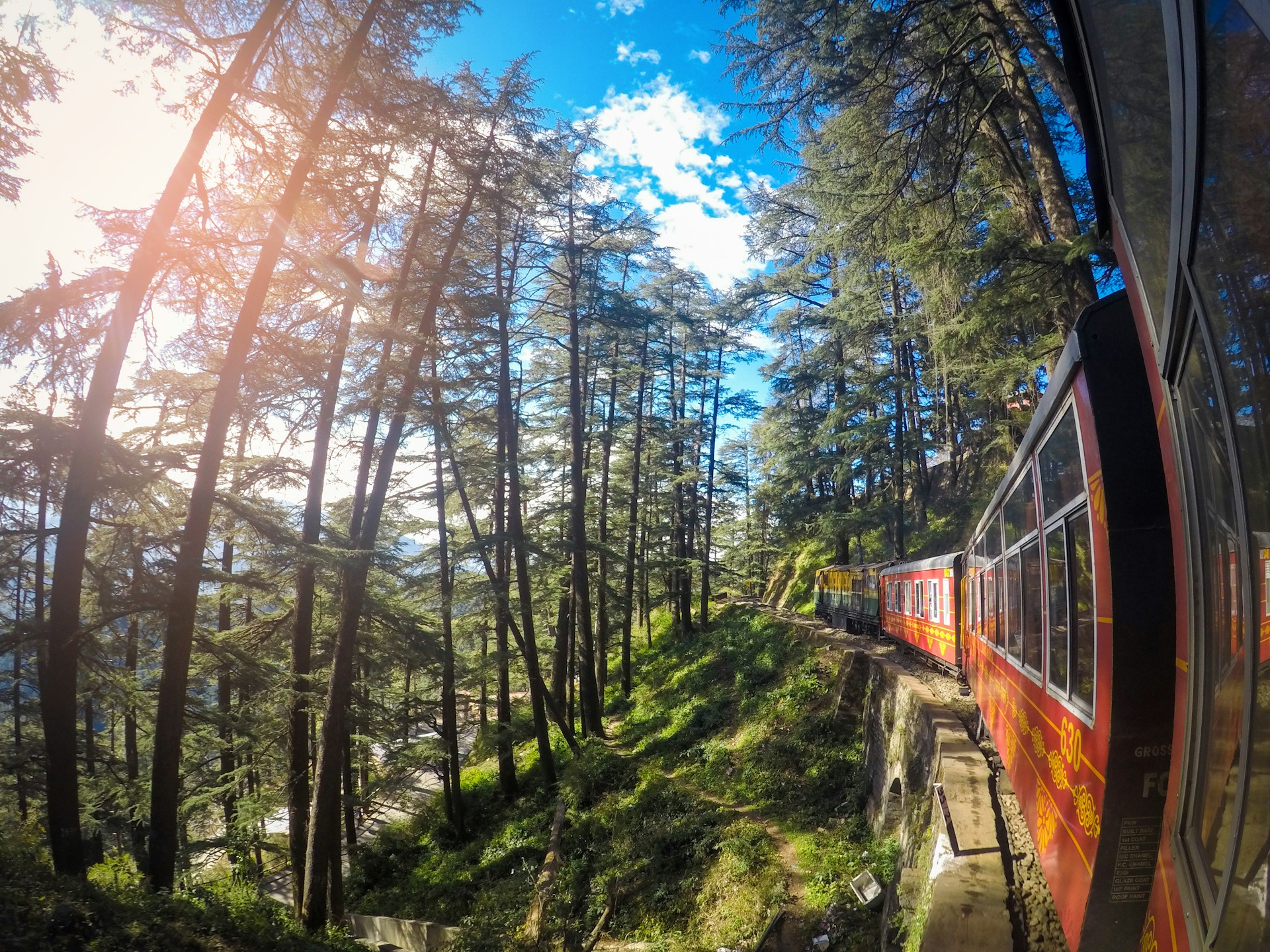
Historic walks in Shimla are memorable not only for the buildings but also for the mood. There is a smell of pine in the air, church bells ring out in the streets, and life moves slowly. Every walk has a mix of history, culture, and beautiful nature. While the town’s well-kept buildings still show signs of its colonial past, you can also feel it in the way people talk over tea, meet each other, and enjoy the charm of a simpler time.
Heritage walks are more than just a way to see the sights; they’re also a way to learn about the past that made Shimla what it is today. There are different parts of the walk that each tell a different story. Some are grand, like the Viceregal Lodge; others are simple, like Jakhoo Hill. As the sun goes down and turns the hills a golden colour, you discover that Shimla isn’t just a place to visit; it’s a place to live, one step at a time.